Know What to Avoid in a Ring? 7 Mistakes to Avoid in Your Bespoke Engagement Ring
There’s a certain romance to designing your own rings for your wedding; having your own rings, personalized to your tastes and your love story, goes a long way to elevating the event and making it all your own. However, there’s a process to making your own rings like this, and it’s a journey that can feel overwhelming if you don’t know what you’re doing. Unlike picking a finished piece from a display case, the customisation options at your disposal can sometimes lead to certain pitfalls (such as unforeseen design flaws or impractical aesthetic choices).
When you’re investing in making this symbol of your commitment, understanding the potential pitfalls is just as crucial as knowing exactly what you want out of the ring. To ensure your custom creation stays a cherished heirloom, here is a detailed guide on the common errors to avoid during the design process.
1. Forgetting Your Daily Lifestyle
One of the most critical oversights in bespoke design is neglecting to consider how the ring aligns with your daily activities. A spectacular, towering setting might look breathtaking in the studio, but if the wearer works with their hands, goes to the gym regularly, or has outdoor hobbies, that high-profile ring is likely to snag or take some hits. Similarly, choosing beautiful but softer gemstones for everyday wear is a recipe for scratching and chipping. Finding aguide to help you choose your jewellery is a must when you’re taking your lifestyle into account for your engagement ring. Wearability is just as important a factor as the aesthetics of a ring. Always factor in how the ring will interact with your lifestyle; opting for lower-profile settings and highly durable stones is a more practical move than simply going with what looks nice.

2. Focusing Too Heavily on the Centre Stone
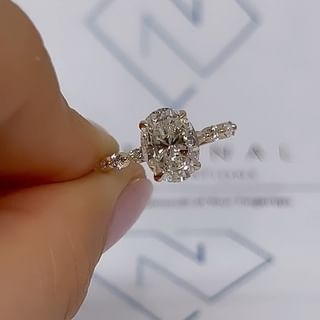
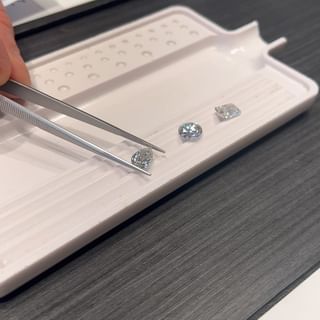
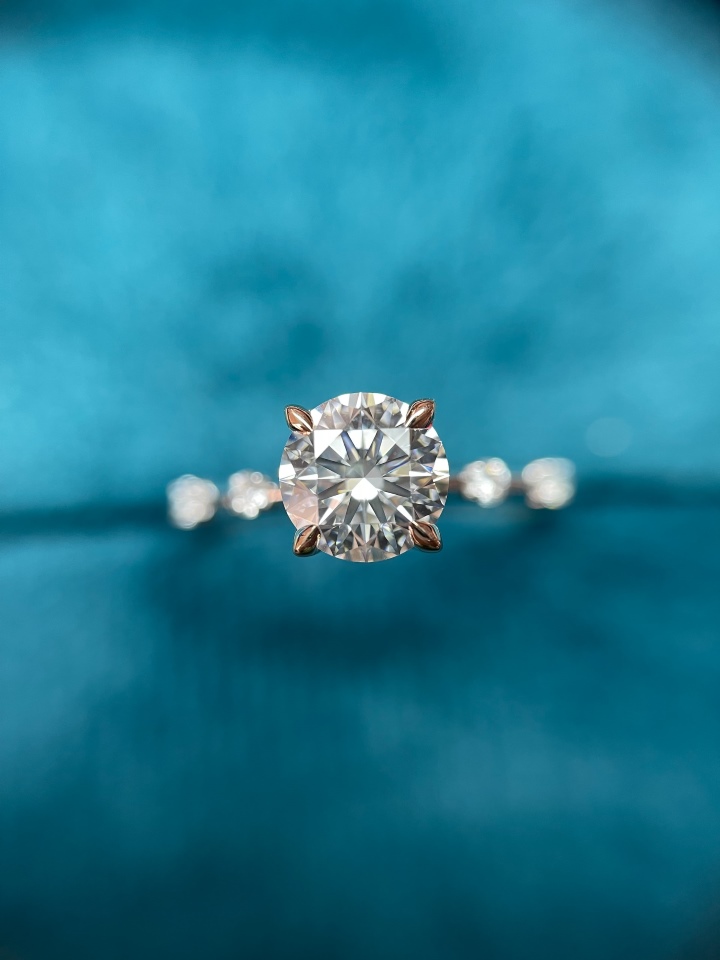
The centre stone is one of the most eye-catching elements of a ring, and as such it’s easy to get carried away with this one section. A mistake some individuals make is sacrificing overall quality to achieve a larger surface area. However, prioritising size may come at the cost of the cut, colour, and clarity of your stone. A massive gemstone with a poor cut can appear dull and lifeless, lacking the sparkle that makes the stone so captivating in the first place. Instead of going with the largest possible gemstone that fits within your budget, aim for a balanced approach. A slightly smaller stone with an exceptional cut reflects light more brilliantly, and can feature a more impressive and vibrant appearance than a larger, heavily included, or poorly faceted alternative.

3. Designing a Too-thin Band
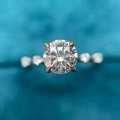
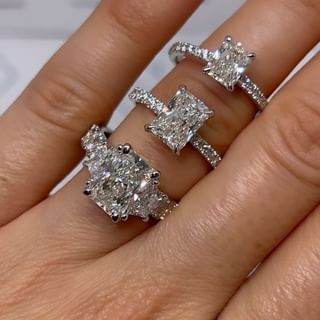
One current trend with modern engagement jewellery is having an ultra-delicate, whisper-thin band. The effect is usually intended to make the centre stone appear as though it is magically floating on the finger. While aesthetically pleasing in photos, too narrow a band compromises the structural integrity of the ring. Everyday wear subjects the metal to pressure, and an exceedingly thin shank is highly susceptible to warping, bending, or even snapping under minimal stress. Furthermore, if the thin band is set with tiny accent stones, you run the risk of losing those gems because there is simply not enough metal to hold them securely. As a rule, you want to ensure the band has sufficient width and depth to withstand years of wear.
4. Overlooking the Metal’s Maintenance Needs
Choosing the right metal takes more than just selecting a preferred colour; it also demands a realistic understanding of long-term maintenance. There’s more to that maintenance than simply finding effective jewellery cleaning tools. For instance, many people assume white gold will stay icy and silvery forever. However, white gold is actually an alloy of yellow gold and white metals, finished with a bright rhodium plating to achieve its brilliant white finish. Over time, this plating gradually wears away, revealing a subtle yellowish tint beneath. To retain that white gold look, you’ll need to take the ring to a jeweller for replating. Alternatively, while platinum is exceptionally durable and naturally white, it develops a frosted patina over time that requires professional polishing to keep a mirror finish. Having a basic understanding of such metallurgical behaviours helps you prepare for the maintenance needed to retain your ring’s appearance.

5. Neglecting the Wedding Band Pairing
An engagement ring is usually the first half of a wedding set, but too many people design it entirely in isolation. Failing to consider how a future wedding band will sit next to the engagement ring is a remarkably common error. If the basket holding the centre stone sits absolutely flush against the finger and bulges outward, a straight wedding band will not sit flush against it, creating a noticeable gap between the two rings. To avoid such a scenario, discuss wedding band integration with your jeweller very early in the design process to ensure the engagement ring allows for a flush fit or an elegantly contoured matching band.
6. Disregarding the Setting’s Security
In the pursuit of a minimalist aesthetic, some bespoke designs drastically reduce the amount of metal holding the precious gems in place. Opting for incredibly fine prongs or fewer contact points might allow slightly more light to enter the stone, but it necessitates compromises to security. A solitary bump against a hard surface could easily bend a delicate prong, resulting in the loss of a valuable centre stone. It’s imperative to strike a careful balance between displaying the gemstone and anchoring it firmly. Consider more secure alternatives such as a bezel setting (where a continuous rim of metal surrounds the stone), or a sturdy six-prong setting for absolute peace of mind.
7. Rushing the Entire Process
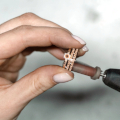
Creating a custom ring is an intricate art form that requires patience, precise communication, and meticulous craftsmanship. Rushing this collaborative endeavour often leads to miscommunications and regrettable final products. A reputable bespoke jeweller will guide you through several stages, including detailed sketches, computer-aided design renderings, and often three-dimensional wax or resin prototypes. Skipping these crucial review stages to expedite the delivery means you lose the opportunity to feel the proportions, assess the scale to the millimetre, and request necessary adjustments before the final casting in metal. Take your time to scrutinise every detail, ensuring the final piece perfectly embodies your initial vision.
Making your own bespoke engagement ring is a way to save funds at a time when you’re watching every dollar, but it’s so much more than that. It’s a beautiful endeavour, one that results in a truly one-of-a-kind symbol of your love. By remaining mindful of these potential pitfalls, you can more easily maneouvre through the design process with confidence. Avoiding these common mistakes ensures that the final ring not only takes your partner's breath away on sight, but also endures as a robust, radiant, and fiercely cherished heirloom for a lifetime.
Designing your dream engagement ring should be a seamless, stress-free experience. Our team at National Jewel Creations is here to guide you through crafting a flawless, bespoke masterpiece tailored exactly to your and your partner's lifestyle and your unique love story. Call us now at (647) 350-4949 to schedule your personal consultation and start crafting a breathtaking heirloom that will last a lifetime!